
Selby Abbey is pleased to share the latest update on Selby Abbey: The Origin Stories, a £1.4 million initiative made possible with support from The National Lottery Heritage Fund, thanks to money raised by National Lottery players.
Now in its delivery phase, which began in late summer 2025 and will continue through to autumn 2027, the project is bringing together conservation, community participation and creative learning to explore and share the Abbey’s remarkable heritage.
Progress since March
April and May have seen lots of public events at the Abbey, with the Origin Stories team in attendance to provide activity and information about the project. On two dates in April, Project Wild were at the Abbey to survey and boost the churchyard’s biodiversity with visitors young and old, resulting in a new habitat pile, complementing several wildlife-friendly measures already taken by the newly formed gardening group. The Abbey also held its annual Eco Fair, showcasing charities and organisations that support and promote sustainable living and local environmental and wildlife projects. Dragon Willow were in attendance at the Fair on behalf of Origin Stories, giving visitors a chance to try their hand at weaving their own creations. In addition, three groups have attended to hear talks on the project and its aims by our Community Engagement Co-ordinator, who continues to establish new working partnerships locally.
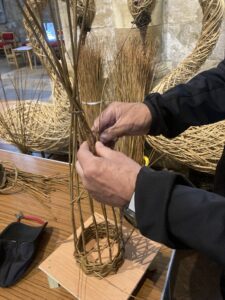
Image caption: Willow weaving at the Eco Fair
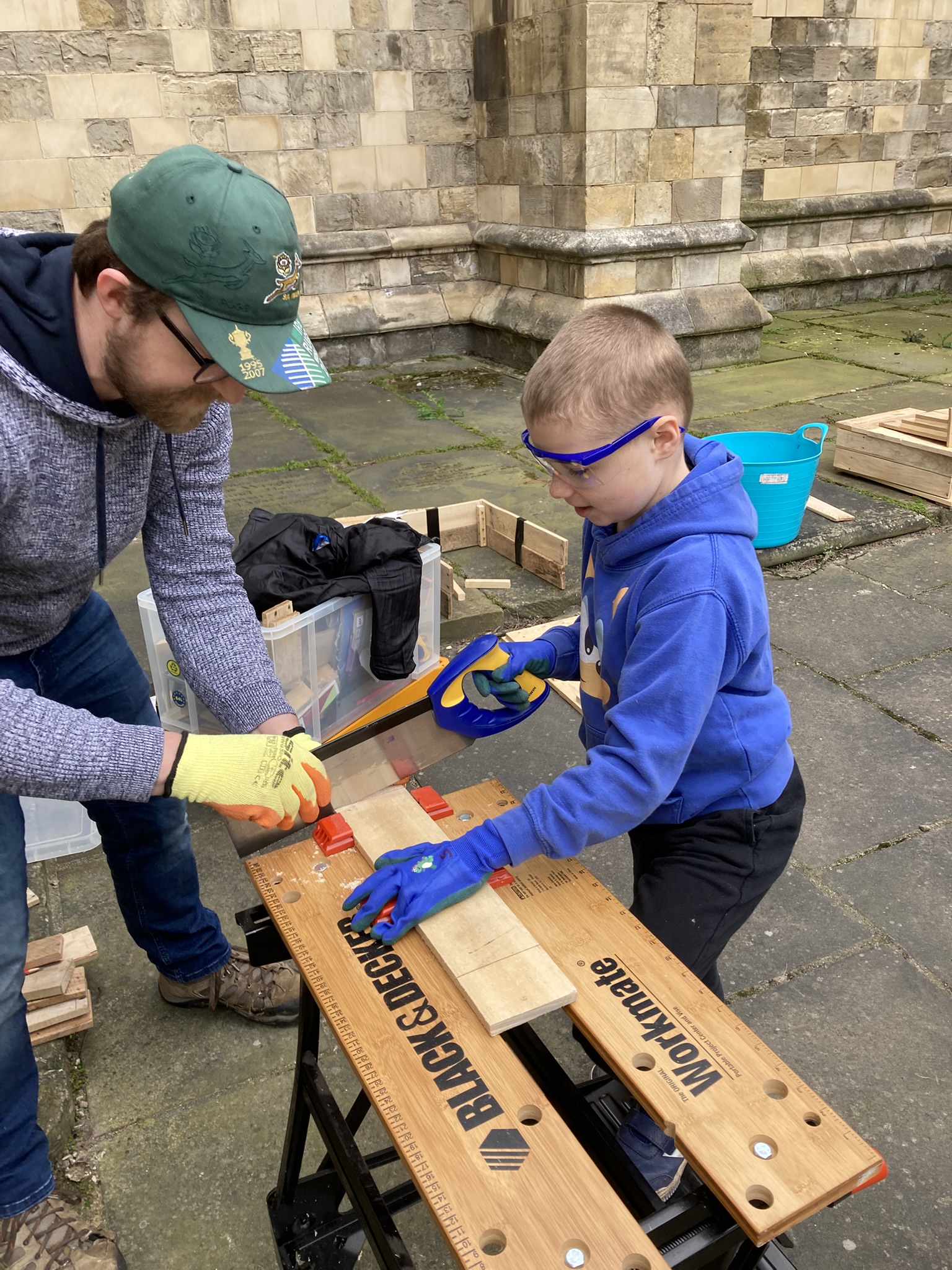
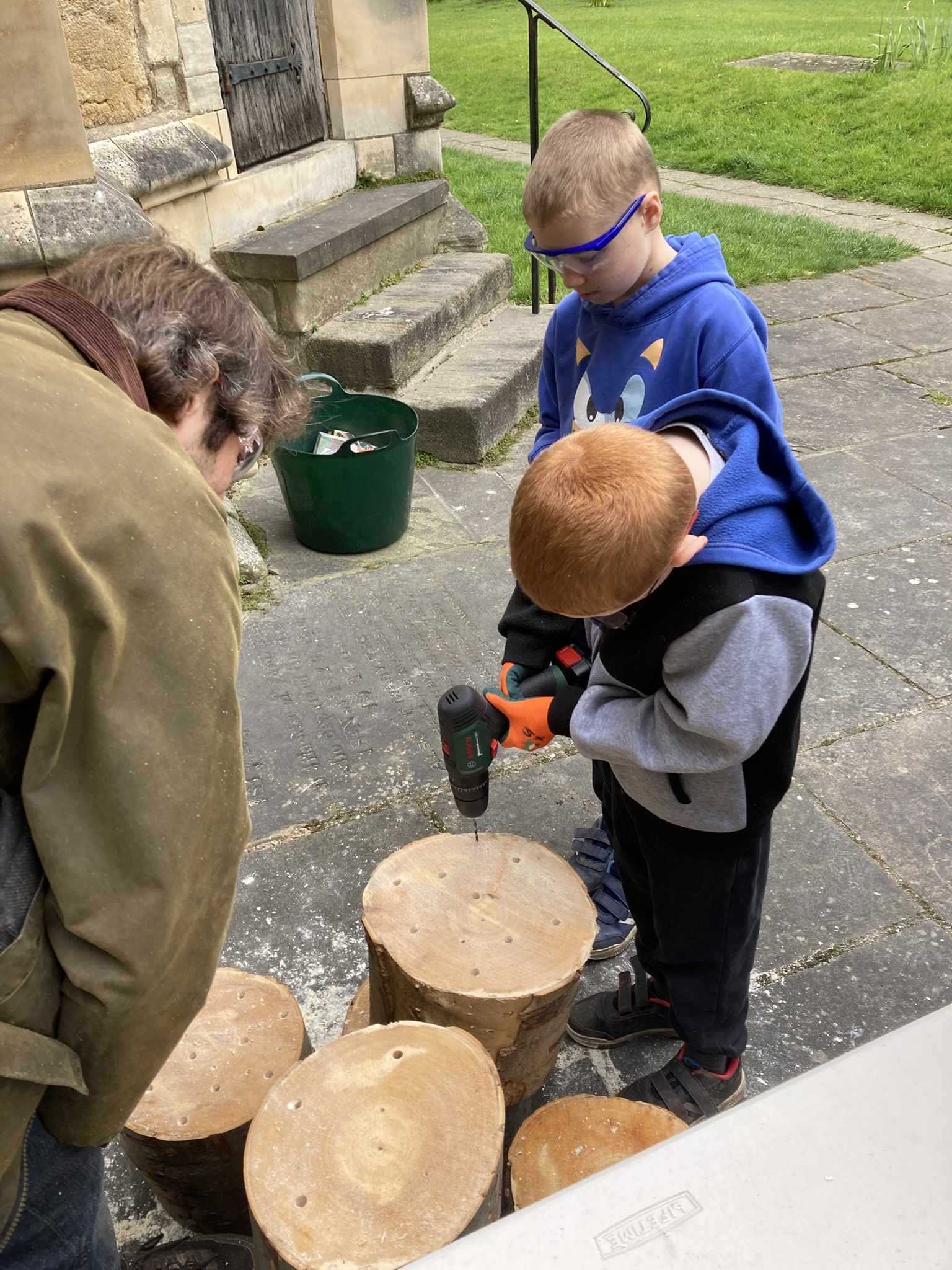
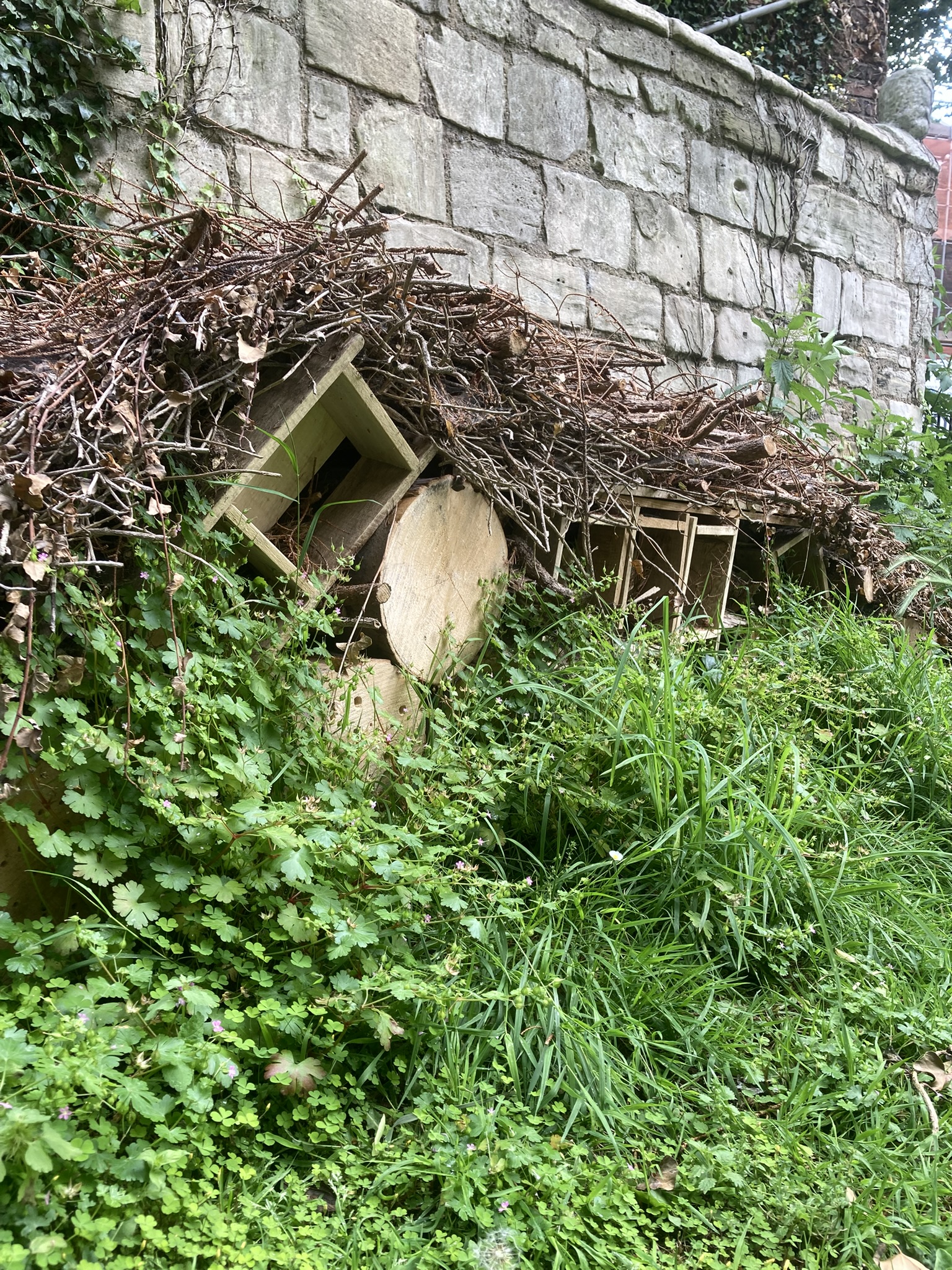
Image caption: The habitat pile under construction, then assembled at the eastern edge of the churchyard
The Origin Stories training programme has continued: Up for Yorkshire attended in April to provide two workshops on signposting, to better equip Abbey staff and volunteers with the knowhow to direct our many visitors and their diverse enquiries to appropriate sources of advice and support.
The team has also commissioned new photography of the Abbey, resulting in a suite of images for promotional purposes, and also a photographic record of a number of little-known or difficult to access features of the Abbey’s architecture and ornamentation.
The Abbey’s heritage volunteers have continued to scan and catalogue items from the Abbey archive, a process that has been given a boost by the purchase of a new large format book scanner using project funds. The arrival of the scanner at the Abbey has been transformative, allowing for a greater range of documents to be captured than was possible before, when scanning was more labour intensive and carried out by the volunteers at home.
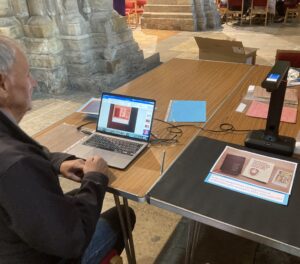
Image caption: Heritage volunteers at work scanning items from the Abbey archive
Volunteer recruitment has been steady, but the Abbey remains on the lookout for anyone who can help with gardening, heritage research, family activities, project evaluation and more. If you are interested in volunteering and would like to find out more, email Dan Thomson, Volunteer Co-ordinator, at or***************@************rg.uk
Gerard’s Herball
Some of the Origin Stories funding was earmarked by the authors of the project plan for improving care for the Abbey archives. The project team, working with the Abbey’s heritage volunteers, plans to do this in the project delivery phase through providing training, facilitating cataloguing, and acquiring new storage equipment.
One of the four ‘origin stories’ identified as key for our efforts in 2026 and 2027 is that of Gerard’s Herball, an early printed book owned by the Abbey. The Herball is an encyclopaedia of plant life as it was understood in the 17th century. The edition belonging to the Abbey dates from 1633 and is the work of Thomas Johnson, a Selby local who greatly expanded an earlier text by the herbalist John Gerard. Johnson’s work was very influential and has provided the basis for most modern editions of the book, giving him a reputation as ‘the father of British field botany’.
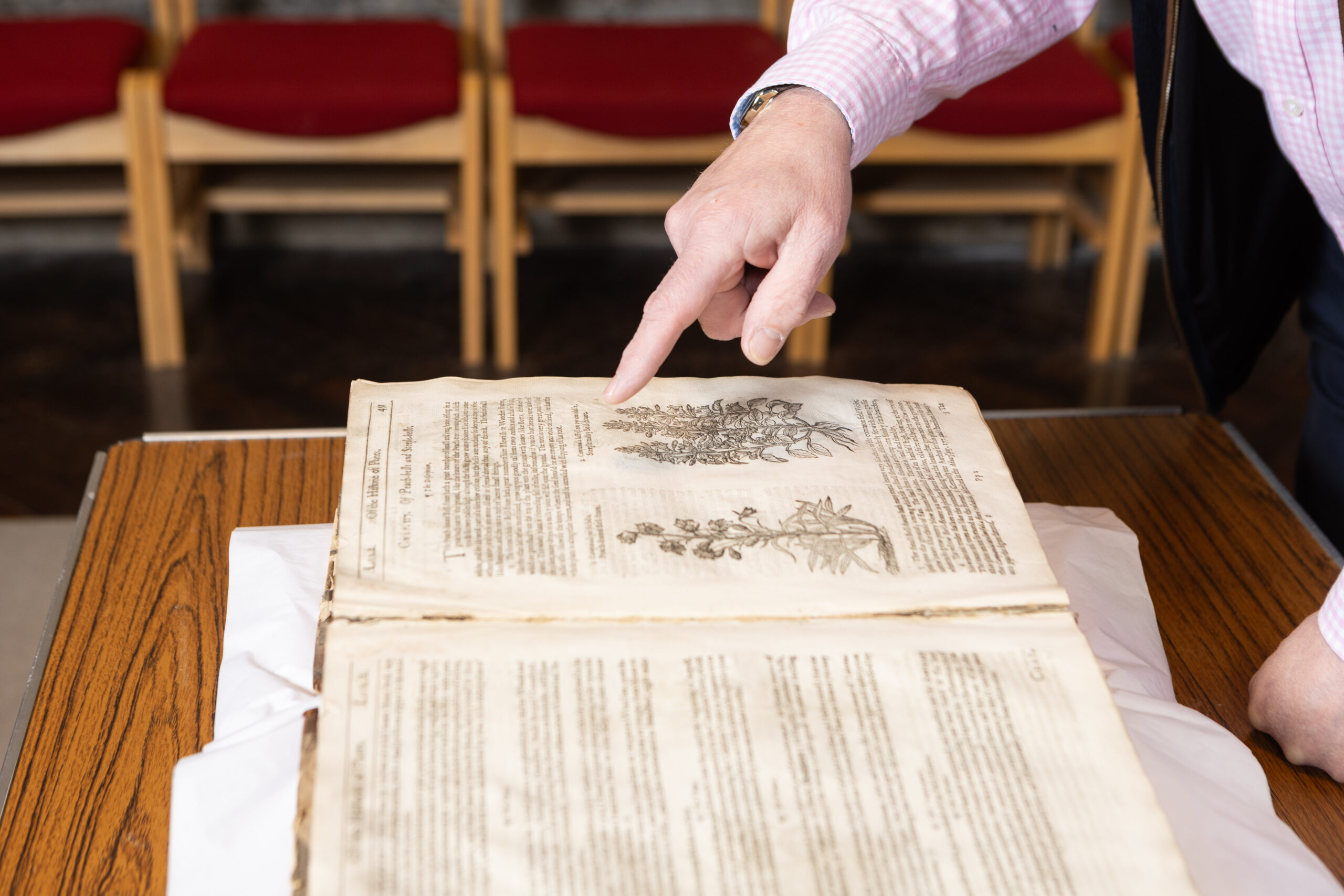
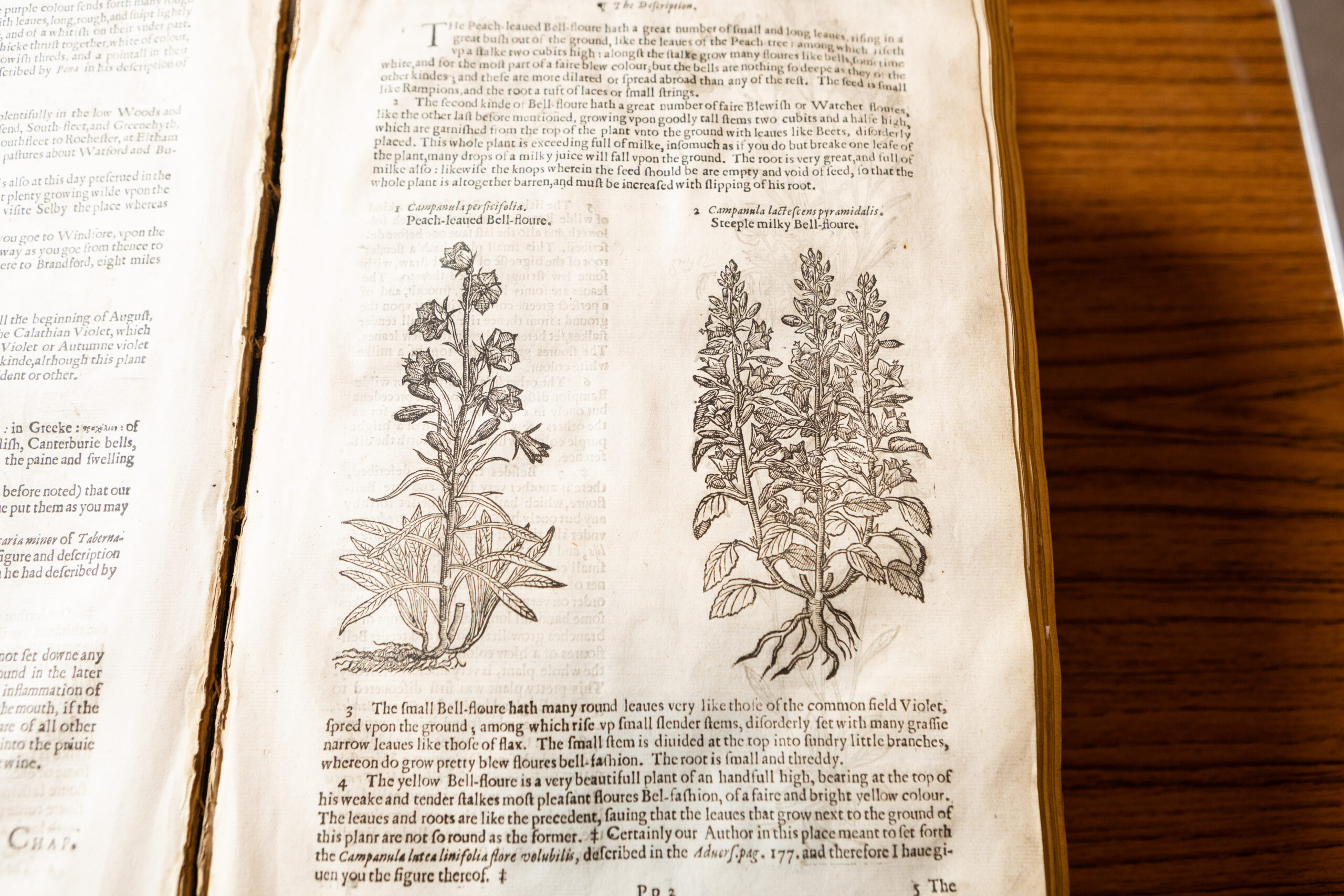
Image caption: The Abbey’s 1633 edition of Gerard’s Herball, showing an entry for campanula.
The Herball is important to our project in a number of respects. As well as being a treasure in its own right, and being authored by a local man, the Herball collects much of the wisdom of the ancient world as it relates to plants, flowers and fruit. Because of this, it is reflective of the sort of plant lore and learning that might have been available to the monks of Selby Abbey. Although very few books from the monks’ library have survived, we know that medieval monastic communities valued certain classical texts on natural history, sometimes copying them in their scriptoria and circulating them within their networks.
As the Origin Stories project aims to establish a monastic garden in the Abbey churchyard, the project team wanted to use the Herball as one source of inspiration for what it might contain, cross-checking where possible with monastic sources to gauge the suitability of our selections. We are also guided by the project’s original ‘statement of need’ for the monastic garden, which emphasises plants used for food, medicine and as an aid to contemplation, and also stresses a requirement to enhance the biodiversity of the churchyard. In addition to the formal monastic garden, therefore, we have embarked on some ‘rewilding’ of the churchyard, with a focus on its east end in the first instance.
Some of the plants that we hope to grow within our monastic garden are agrimony, southernwood, lovage, pennyroyal, tansy and sage. The Herball stresses the medicinal properties of each. All appear too in Hortulus (meaning ‘little garden’), a 9th-century poem in Latin about a monk’s garden that we have used to support their inclusion in our plans. It was written by a Benedictine monk, Walafrid Strabo of Reichenau in southern Germany, so may reflect the sort of gardening done by Selby’s own medieval Benedictine community. Of these plants, sage is probably the most familiar, being commonly used today in stuffing and sausages. Both the Herball and Hortulus talk about its curative properties, with the Herball listing trapped wind, stitch, coughing and phlegm as just some of the ailments against which it can be used. Hortulus also describes the labours of the gardener and how the various properties and virtues of his plants inspire contemplation and prayer: a tradition that will be reflected in the interpretation designed to accompany the garden when it opens to visitors.
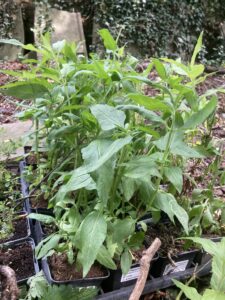
Image caption: Agrimony, ready for planting in the churchyard
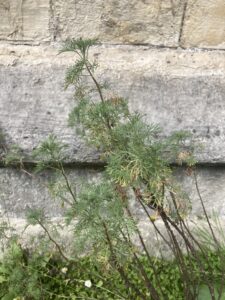
Image caption: Southernwood growing in the churchyard
In tribute to Thomas Johnson we have decided to plant campanula (a variety of which is sometimes called ‘throatwort’ due to its association with cures for sore throats), about which Johnson says the following:
‘In the year 1626 I found it in great plenty growing wild on the banks of the River Ouse in Yorkshire, as I went from York to visit Selby, the place whereat I was born…’
To preserve the Abbey’s own copy of the Herball, which is now fragile and showing its age, we have invested in a bespoke storage box for it, constructed from acid-free cardboard. In order to make it more visible to Abbey visitors whilst continuing to protect it, we have also purchased a facsimile that can be leafed through, and a case for the original. Both will go on display at selected events in the Abbey calendar. In the meantime, you can access a digital model of the outside covers and spine of the Herball created using laser scanning during a previous heritage project:
Selby Abbey: The Origin Stories is made possible with The National Lottery Heritage Fund, thanks to money raised by National Lottery players.